 Thinking of becoming a certified nursing assistant? Don’t be fooled – it’s as far from glamorous as you can get. Instead, becoming a CNA is challenging, ruthless, shocking, rewarding, and miraculous all at the same time. The role of a certified nursing assistant is invaluable in the cycle of healthcare. As a primary caregiver, a CNA must work closely with patients, often spending more time with them than doctors and nurses do. This gives them the unique opportunity to help and connect with their patients on a more personal level.
CNAs are definitely in demand all across the country. Apart from the periodic spikes in Covid-19 cases nationwide, more and more people are entering their elderly years each day. It is estimated that in 2029, the number of people aged 65 and older will increase by 73% compared to the 2011 census. With nursing care facilities employing the largest number of CNAs among other healthcare industries, the need for CNAs is almost palpable.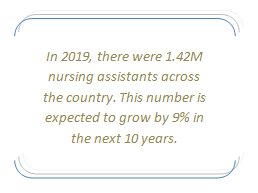
Indeed, there are plenty of jobs available for CNAs, but you may also be wondering what else you could gain from this profession. Here are a few advantages of becoming a CNA:
- It’s a quick and inexpensive program: The average cost of becoming a CNA is around $1,300, which is a pretty affordable rate. The average length of a CNA program is 1-3 months. After completing your course, you will then need to take an examination for your state.
- It’s open for non-college graduates: To qualify for the CNA program, you will need to either be a high school graduate or have a GED certification.
- CNAs earn a lot more than you think: In 2019, the average yearly salary for nursing assistants was 26,780. It may not be the highest-paid healthcare job but think of it as a starting point to reach your goals.
- Being a CNA helps you prepare for the rigor of nursing school (and maybe even medical school): Some nursing schools offer fast-track programs where your hard-earned skills as a nursing assistant will come in handy.
- Emotional rewards: Despite being physically tired, many nursing assistants report feeling more emotionally satisfied with their jobs. Every day, you will be helping someone through the toughest moments of their lives. You will struggle with them, witness their anger and frustrations, share in their tears and joy, and with these experiences, you will begin to see the world through their eyes.
- Everything you learn is practical: The human body is a wonder, yet many of us know so little about our bodies. When you are a CNA, you will learn to recognize signs of a stroke or handle an emergency. Even if you only get to apply your knowledge a few times, that might be enough to save a number of lives.
Life as a CNA will never be boring. You will learn to be quick on your feet yet with gentle, caring hands. Curious if you will make it? Don’t worry – first learn to care about your patient and the rest will follow.
For more information about becoming a CNA, you can contact us at:
CNA TRAINING INSTITUTE,INC
140 Eldridge Road # G, Sugar Land, TX 77478
Phone: (346) 812 – 0147
Phone: (281) 201 – 2678
https://cnatraininginstitute.org/
The post What Do You Gain from Being a CNA? appeared first on CNA | Consolidated Nurse Aide Training.
What Do You Gain from Being a CNA? posted first on https://cnatraininginstitute.blogspot.com/

 A CNA or Certified Nursing Assistant works closely with patients and provides them with basic, immediate care. The role of a CNA is not one to be taken lightly as they are usually the ones who spend the most time with the patients, apart from the nurses themselves. Working as a CNA in a hospital requires a certain fondness for people and a willingness to help those in need. Typically, CNAs should be compassionate, caring, and empathetic people who are capable of building true emotional connections with their patients.
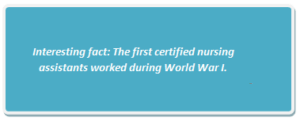 Due to the nature of their work, CNAs usually end up forming a bond with their patients. They will come to know their usual behaviors and moods. Thus, they might be the first ones to notice any deviations before the patient even complains about any symptoms. Having competent, professional CNAs within the healthcare team helps all team members do their duties more efficiently. But most importantly, a compassionate CNA will help to boost the patients’ trust in the system.
 A career as a certified nursing assistant or CNA can be a stepping stone to pursue any job in the healthcare industry. The job can lead to various opportunities and be demanding, especially when you are only starting.
 When you aim to be a Certified Nursing Assistant (CNA), you will have to pass the CNA exam. It’s divided into 2 parts, which are written examination and skills test. With the written test, you’ll be tasked to answer a question paper within a given time. It’s usually 60 questions for 90 minutes. As for the skills test, an evaluator will ask you to show five duties or procedures within 30 minutes. There’s no knowing in advance as to what they will assign to you so this part of the test is what most examinees are nervous about. Preparation is everything. It’s the best way to get rid of your doubts and conquer the day. So, how do you ace the CNA exam?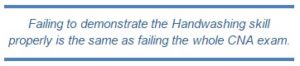
 There are many places in which a Certified Nursing Assistant (CNA) can work. At first, experience anywhere is important to a new CNA, but other job opportunities may arrive eventually.
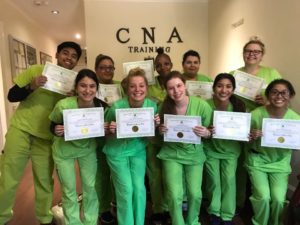 A Certified Nursing Assistant (CNA) works to provide care for patients. It’s a job that involves a lot of responsibilities, from bedside assistance to basic nursing procedures.
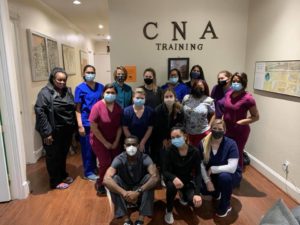 The journey to becoming a Certified Nursing Assistant (CNA) is fulfilling, but not without challenges. Nevertheless, it is a mission that calls others to persevere and help heal those who are in need. If you would like to understand how you can properly prepare for a CNA exam, then read on.