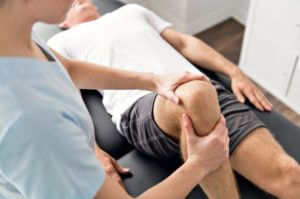
 As a certified nursing assistant, you will be responsible for providing basic care to patients. This can include everything from helping them bathe and eat to providing emotional support. However, one of your job’s most important aspects is ensuring that patients maintain their Range of motion (ROM).
ROM exercises are important for patients of all ages, but they are especially crucial for those who are elderly or have chronic health conditions. These exercises help to prevent joint stiffness, muscle weakness, and contractures. They also promote circulation and help to reduce pain.
There are a variety of different kinds of ROM exercises that you can perform with your patients. It is important to select the right exercises for each individual based on their needs and abilities.
Performing Range of Motion Exercises for One Knee and One Ankle
Start with Basics: In this step, CNAs communicate with the patients and explain the total procedure. CNA speaks with the patient clearly, and slowly and maintains face-to-face contact with the patient.
Ensure Privacy: In this step, CNA closes the curtains or door to ensure patient privacy.
Position Patient: CNA position the patient supine in bed and instruct the patient to inform them if the patient feels pain when performing the exercise.
Flexion/Extension: While supporting the knee and ankle, Bends the knee and then return the leg to the patient’s normal position. Do it three times. Move the joints gently, slowly, and smoothly through the Range of motion. Stop the exercise immediately if the patient verbalizes the pain.
Dorsiflexion and Plantarflexion: In this step, CNA pushes or pulls the foot toward the head (dorsiflexion) and pushes or pulls the foot down; toes point down (plantar flexion). Do it three times. Move the joints gently, slowly, and smoothly through the Range of motion. Stop the exercise immediately if the patient verbalizes the pain.
Place Signaling Device: CNA places a signaling device within the patient’s reach in case the patient needs assistance.
Wash Hands: CNA washes their hands with soap and water or alcohol-based hand rub.
Document the Results: Lastly, CNA documents the results of the exercise in the patient’s medical record.
Performing Range of Motion Exercises for One Shoulder
Start with Basics: In this step, CNAs communicate with the patients and explain the total procedure. CNA speaks with the patient clearly, and slowly and maintains face-to-face contact with the patient.
Ensure Privacy: In this step, CNA closes the curtains or door to ensure patient privacy.
Instruct the Patient: CNA instructs the patient to inform them if they feel pain when performing the exercise.
Flexion/Extension: In this step, CNA raises the patient’s arm from the side position to the overhead position (shoulder flexion) and then returns the arm down to the side position of the body (shoulder extension). Do it at least three times. Again, move the joints gently, slowly, and smoothly through the Range of motion. Stop the exercise immediately if the patient verbalizes the pain.
Abduction/Adduction: In this step, CNA moves the patient’s arm away from the side of the body to shoulder level (shoulder abduction) and then returns the arm to the side of the body (shoulder adduction). Do it three times. Move the joints gently, slowly, and smoothly through the Range of motion. Stop the exercise immediately if the patient verbalizes the pain.
Place Signaling Device: CNA places a signaling device within the patient’s reach in case the patient needs assistance.
Wash Hands: CNA washes their hands with soap and water or alcohol-based hand rub.
Document the Results: In this step, CNA documents the results of the exercise in the patient’s medical record.
Range of motion exercises is important that can be performed by certified nursing assistants (CNAs) with their patients. These exercises can help improve flexibility and mobility and reduce pain levels. Before beginning any of these exercises, consult with the patient’s physician to ensure that they are appropriate for the individual.
CNA TRAINING INSTITUTE,INC
140 Eldridge Road # G, Sugar Land, TX 77478
Phone: (346) 812 – 0147
Phone: (281) 201 – 2678
https://cnatraininginstitute.org/
The post CNA Skill Series: Performing Range of Motion Exercises appeared first on CNA Training in Houston | Consolidated Nurse Aide Training.
CNA Skill Series: Performing Range of Motion Exercises posted first on https://cnatraininginstitute.blogspot.com/

 Many patients may struggle to stand or walk on their own after an injury or surgery. They may require the help of a certified nursing assistant (CNA) to ambulate or move around. This process is called transfer. It can be very dangerous for both the patient and the CNA if the transfer is not done properly.
 The radial pulse is the pulse felt on the wrist, on the side of the forearm nearest the thumb. The radial artery runs under the skin, and its pulsing can be felt below the surface. The radial pulse is often used to check a person’s heart rate. However, it can also be used to assess someone’s general health. In particular, the radial pulse can give clues about a person’s blood pressure and circulatory status.
 A clean and well-made bed can make a big difference in a patient’s morale. It also provides them with a sense of comfort and security. As a certified nursing assistant (CNA), you will be responsible for ensuring that your patients’ beds are made correctly and safely.
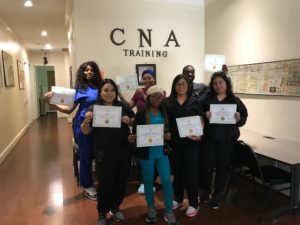 A certified nursing assistant is a health care professional who provides primary nursing care to patients in hospitals, long-term care facilities, and clinics. The duties of a CNA include but are not limited to: bathing and grooming patients, toileting and incontinence care, transferring and ambulating patients, providing a range of motion exercises, vital signs monitoring, and feeding and nutrition assistance.
 Certified Nursing Assistants, more commonly known as CNAs, are always in high demand. There are many reasons for this, but the most common is that CNAs play an important role in the health care industry. They provide critical support to nurses and other medical professionals, and they often have the opportunity to interact directly with patients. This article will explore some top reasons
  Certified Nursing Assistants, more commonly known as CNAs, are always in high demand. There are many reasons for this, but the most common is that CNAs play an important role in the health care industry. They provide critical support to nurses and other medical professionals, and they often have the opportunity to interact directly with patients. This article will explore some top reasons