 One of the qualities that a CNA should have is a good set of tools. It might sound strange to you, but having a complete set of tools can make your job easier and more efficient. You will be able to perform your tasks faster and get them done in half the time with a complete set of tools. Here are some essential tools that every CNA should have in their toolbox.
- Penlight
The first item you will need is a penlight, which could save your life someday. Some of the signs you should be checking for are pupillary response and responsiveness to light. A penlight will help you check those responses quickly and efficiently without wasting much time searching for a separate flashlight or something bright to shine into the patient’s eyes.
- Blood Pressure Cuff
A blood pressure cuff is another vital piece of equipment you need to have. This will help you check your patient’s blood pressure quickly and efficiently. If it is properly functioning, you should see an accurate reading instantly.
- Stethoscope
The stethoscope is needed for checking pulse or listening to heartbeats. You will be able to hear any abnormalities in the heartbeat, which could signify that there are potential problems with your patient’s health.
- Pulse Oximeter
A pulse oximeter is another item that can help ensure that you are doing your job correctly and quickly for your patient’s well-being. A pulse oximeter is a small device that will show you the patient’s oxygen saturation level. This reading is essential because low oxygen levels can lead to death.
- Thermometer
A thermometer is another essential and valuable tool that you will need. It can help you check your patient’s temperature to assess whether or not there are any abnormalities. A fever could be a sign of infection, which means that you need to pay close attention to how your patient is doing and adjust their treatment plan as needed.
- Tourniquet, Gloves, and Bandage Scissors
These three items should be included in every CNA’s toolbox because they are versatile and straightforward. A tourniquet can be used for anything from drawing blood and checking a patient’s veins to holding ice onto a wound or injury. You will need gloves when examining wounds to help prevent the spread of disease, especially if you are a male assisting a female. Bandage Scissors help cut bandages and splints so you can take care of your patient more quickly and efficiently without bothering them with scissors that make noise or struggle to cut through something like gauze.
- Paperwork
Paperwork is essential for keeping track of your patients vitals, medicines, and other important information. Make sure that you have some paper at home to keep everything organized; it will help you on the job because sometimes it can be difficult to remember certain things like patients’ allergies or how much medicine they took last night. A notebook would also work just fine, even if to write down their medications and allergies.
- Gait Belt
A gait belt is an essential piece of equipment CNAs should have to help ensure that their patient does not fall during transport. It can be beneficial when you need to move your patient quickly, but it will also provide stability if, for whatever reason, they are unable to stand on their own.
Having the correct tools will make your job as CNA much easier and more efficient, which will allow you to serve your patients better. It also takes some of the stress off of you, knowing that if an emergency needs to be dealt with, you have something at hand that could potentially save lives.
If you want a career as CNA, call us at:
CNA TRAINING INSTITUTE,INC
140 Eldridge Road # G, Sugar Land, TX 77478
Phone: (346) 812 – 0147
Phone: (281) 201 – 2678
https://cnatraininginstitute.org/
The post 7+ Essential Tools for CNAs appeared first on CNA | Consolidated Nurse Aide Training.
7+ Essential Tools for CNAs posted first on https://cnatraininginstitute.blogspot.com/

 A Certified Nursing Assistant (CNA) course is a program that teaches students about patient care and
  CNA stands for Certified Nurse Assistant, and it’s a job that can be very rewarding. If you like helping people and having the chance to make a difference in their lives, then this may be an ideal job for you. You’ll be able to work with many different patients, gain valuable medical knowledge, and help people feel better about themselves.
 Certified Nursing Assistants take care of patients in hospitals, nursing homes and other related facilities. For performing these responsibilities and in order to become successful, a Certified Nursing Assistant (CNA) must be dependable, responsible, have great communication skills, possess compassion and caring, be a good team player, and demonstrate good judgment skill.
 Thinking of becoming a certified nursing assistant? Don’t be fooled – it’s as far from glamorous as you can get. Instead, becoming a CNA is challenging, ruthless, shocking, rewarding, and miraculous all at the same time. The role of a certified nursing assistant is invaluable in the cycle of healthcare. As a primary caregiver, a CNA must work closely with patients, often spending more time with them than doctors and nurses do. This gives them the unique opportunity to help and connect with their patients on a more personal level.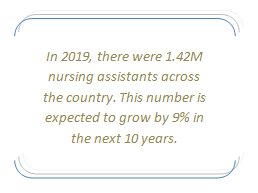
 A CNA or Certified Nursing Assistant works closely with patients and provides them with basic, immediate care. The role of a CNA is not one to be taken lightly as they are usually the ones who spend the most time with the patients, apart from the nurses themselves. Working as a CNA in a hospital requires a certain fondness for people and a willingness to help those in need. Typically, CNAs should be compassionate, caring, and empathetic people who are capable of building true emotional connections with their patients.
 Due to the nature of their work, CNAs usually end up forming a bond with their patients. They will come to know their usual behaviors and moods. Thus, they might be the first ones to notice any deviations before the patient even complains about any symptoms. Having competent, professional CNAs within the healthcare team helps all team members do their duties more efficiently. But most importantly, a compassionate CNA will help to boost the patients’ trust in the system.
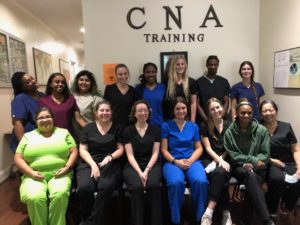 A career as a certified nursing assistant or CNA can be a stepping stone to pursue any job in the healthcare industry. The job can lead to various opportunities and be demanding, especially when you are only starting.